

88% of AI pilots never reach production.
Almost none of them fail for technical reasons.
They fail because nobody owned the decision, nobody defined what “good” meant, and nobody was willing to say no. That is not a modelling problem. It is a missing role, and it is the one I fill.
- 15 years in production
- 60+ client engagements
- Salt Lake City
- Remote across the US
Your AI initiative has no owner.
Somebody has to decide which use cases are real, what “working” means before you build it, and when to kill something that is not paying for itself.
In most companies that person does not exist. The CEO is guessing, the engineers are picking tools, and the pilot quietly becomes a line item nobody defends.
The failure modes are remarkably consistent. Three of them account for most of it, and not one is about model capability.
Evaluation gaps
Nobody defined success, so nothing can be judged. The pilot cannot pass a test that was never written.
Governance friction
No one agreed what the system is allowed to do unsupervised, so it stalls at the first review that asks.
Reliability
It worked in a demo. Nobody built for the day it does not, and that day arrives in front of a customer.
These are decisions, not code. They are what a CTO is for, and they are why a fractional one is usually enough.
Figures: 2026 industry research on enterprise AI and agent pilot outcomes. Institute of Project Management, agent implementation survey data.
Three decisions, in order.
Decide what to build, and what to stop.
Use-case triage against real cost and real risk. Most engagements start by killing something, which is usually the fastest money I save a client.
Define “working” before you build it.
Evals, acceptance criteria, and the autonomy rules for what a system may do unsupervised. The most-cited reason pilots die, and almost nobody does it up front.
Own it through production.
Architecture, the integration work into systems never designed for this, and accountability for the thing running unattended. Not a recommendation handed to someone else.
Where do you sit?
You have engineers. You do not have someone who owns the AI roadmap.
50 to 1,000 people, real engineering capacity, and a stalled initiative or a board asking about ROI. I work alongside your team as head of AI in practice if not in title: roadmap, architecture, evals, and the calls your engineers should not have to make alone.
You are the CEO, the product manager, and the IT department.
Under 50 people. You do not need a full-time CTO and cannot responsibly hire one. You need someone senior on the hook a few days a month, so technology decisions stop being made by whoever is loudest in the room.
Your clients are asking for AI and your team cannot deliver it yet.
Agencies and consultancies. I work behind your brand as the technical capability you have not built: scoping, architecture, and delivery your account leads can sell with confidence.
Judgment you can check.
I built a local-first AI system monitor, then deliberately confined AI to narration and assistance while detection stayed deterministic and rule-based. Alerts had to be transparent and reliable, which meant AI could not sit in the decision path. That is the kind of call I get hired to make, and the source is public.
A self-updating news platform with scheduled pipelines, personalised email and Slack delivery, and integrations across Resend, HubSpot and Google Drive. Serverless, no application server, zero infrastructure cost. Production AI budgets routinely land at three to five times projection. Discipline about that starts at architecture.
Municipal ERP migration from DB2 to SQL Server. SSIS automation and SSRS reporting standards. Stripe Connect against custom booking software. Power BI and Tableau integrations. AWS-backed verification systems. AI projects die on exactly this kind of work, and most AI consultancies cannot do it.
U.S. Army combat engineer, active duty and Guard, 2007 to 2015. Led and trained platoon-sized teams with peak accountability for 54 personnel.
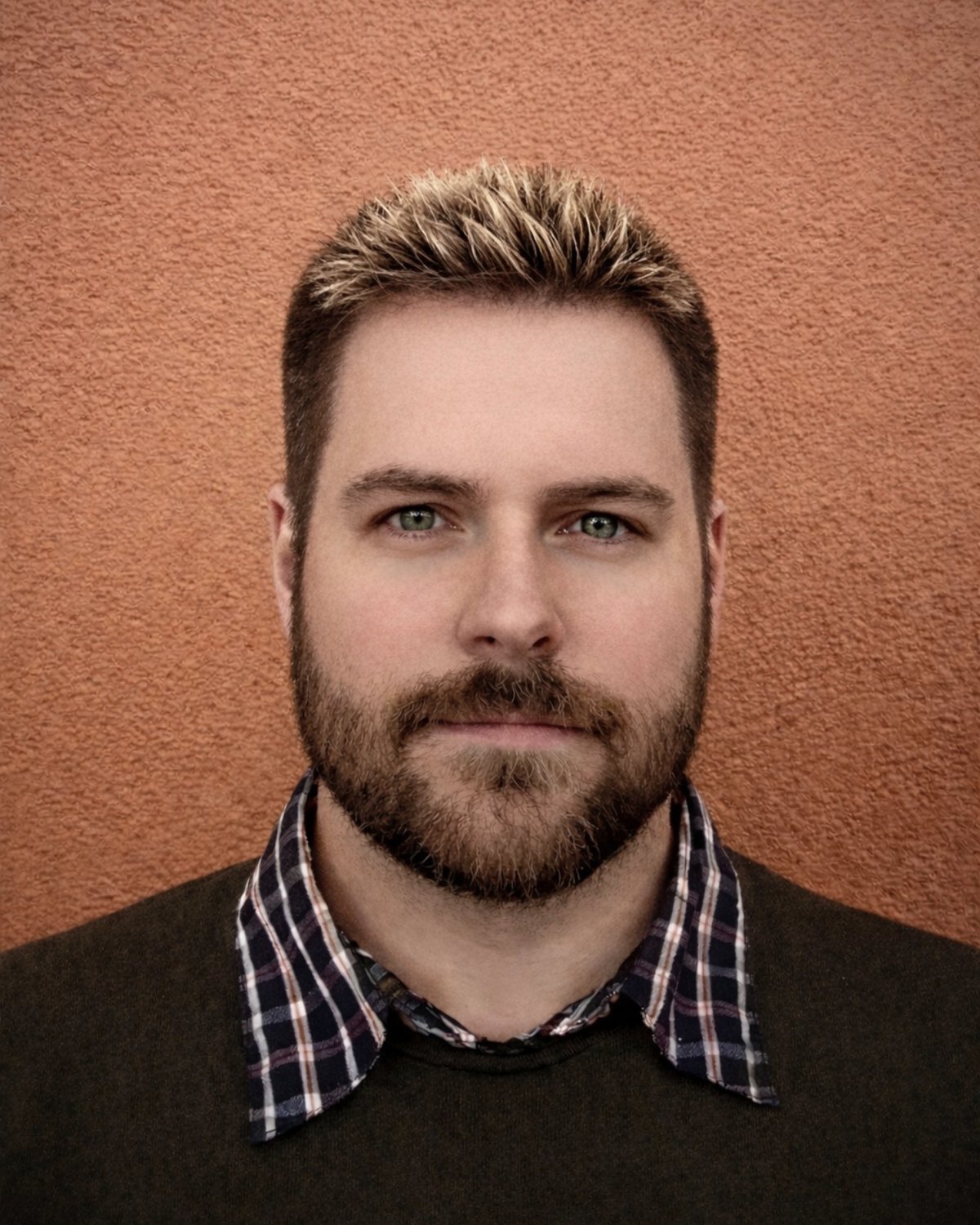
You are hiring a person, not a firm.
Consolidated Technologies is a senior engineering practice. I’m Robert Krueger, and I’m the one you would be working with. Fifteen years of shipping production software, a specialist bench for design and larger builds, and a platform that lets a small senior team carry real volume.
I take a small number of engagements at once because the value here is attention, and attention does not scale by adding logos to a page.
Robert J. Krueger · Salt Lake City, Utah
Start by finding out what not to build.
I review what you have, what you are being sold, and what is actually worth building. You get a written architecture and roadmap with a specific recommendation on what to kill. If we continue, the fee credits toward the first month. If we do not, the document is yours and it stands on its own.
Managed web operations
Some clients need the recurring web and content work operated rather than advised on. We run that too, on a fixed monthly fee, with automated quality gates and human review on anything public.
See web servicesThe cheapest senior decision you will make this year.
An intro call is thirty minutes and costs nothing. If I do not think I am the right person for what you are facing, I will say so on the call.